
How to Build the Perfect Drift Car in FR Legends
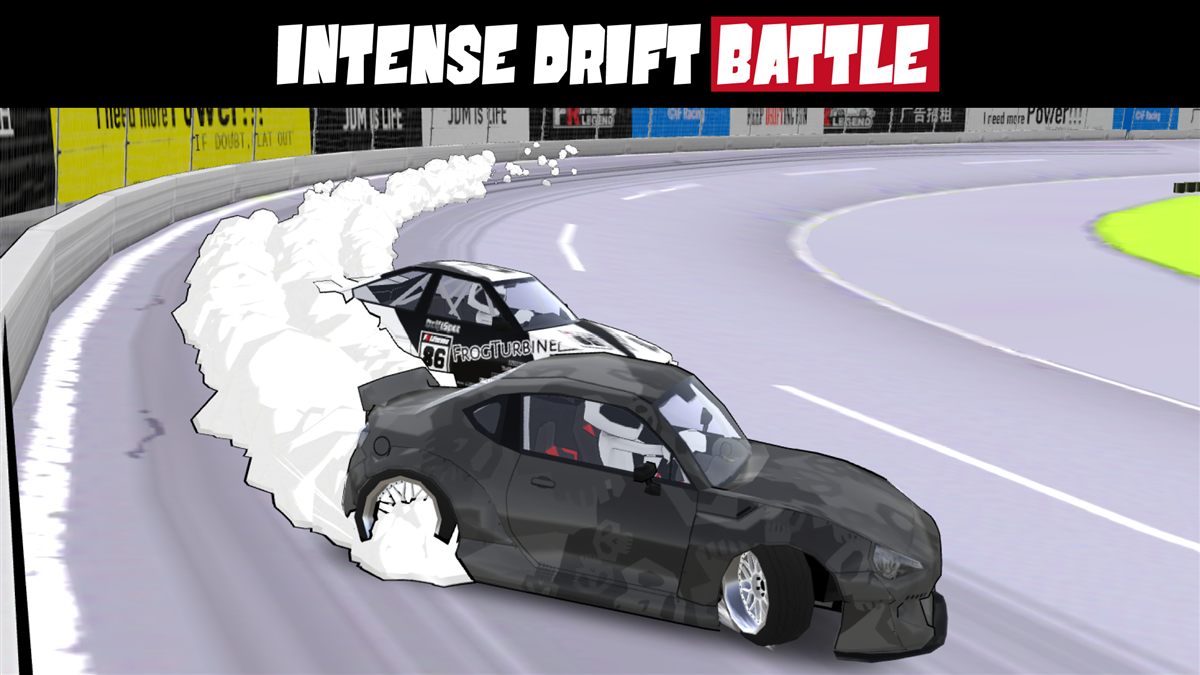
Every top drift car in FR Legends starts as a normal car in the garage, and the gap between them is not luck, it is build order. Two players can own the same Silvia S15 with the same budget and end up with completely different machines: one that snaps into every corner and one that spins at the first touch of throttle. This guide lays out the full process, from choosing your first chassis to the final cosmetic touches: what makes a drift car good, which cars deserve your early money, the correct order for engine upgrades, how to tune suspension and grip, and how to budget a build that fits your coin balance.
What Makes a Drift Car Good in FR Legends
A good drift car is one you can throw into a corner, hold at full angle, and catch without drama. The game rewards rear-wheel-drive chassis with strong mid-range torque, predictable rear suspension, and a diff that locks under load. The physics model reacts to four things: how power arrives at the rear wheels, how the suspension loads, how much the car weighs, and how the diff splits torque.
Power delivery
Turbo engines hit hard and late, which is exciting but hard to control. Naturally aspirated engines deliver smoothly, which makes them easier to learn. For a first build, smooth power wins.
Chassis weight
Light cars like the AE86 change direction quickly and need little power to hold angle. Heavy cars like the JZX100 carry momentum and allow huge angles, but they need earlier braking and more precise throttle work.
The differential
Stock open diffs let the inside wheel spin freely, which ends drifts early. A locked or limited-slip diff makes both rear wheels work together, and it is the single biggest mechanical upgrade you can buy.
The Starter Car Path: Which Car to Buy First
The best first drift car is not the fastest one, it is the cheapest one that teaches good habits. The AE86 Trueno and the MX-5 Miata are the classic learners in FR Legends: light, cheap to upgrade, and drifty straight out of the box. For a full comparison, read our guide to the best beginner car in FR Legends before spending anything.
Buy your learner, build it to the tuning plan below, and only then consider a step up. Saving for a Supra or RX-7 while your skills are still developing is a common mistake; a heavy, powerful car hides your errors at first and then punishes them at the worst moment. The FR Legends car tier list ranks every chassis so you can pick your second car with confidence.
Engine and Power Upgrades in Order
When you do add power, follow this order. Each stage multiplies the benefit of the stage before it, and skipping ahead wastes coins.
- Intake and exhaust: cheap, adds a small power bump, and changes the engine note.
- ECU tune: unlocks the rev range and gives smoother mid-range pull.
- Turbo or supercharger: the big power jump. Buy it only after your suspension is sorted.
- Final drive and gearing: tune gear ratios so the power stays in the usable band on your favorite tracks.
For exact slider values at every upgrade stage, follow the numbers in our FR Legends drift settings and tuning guide.
Suspension and Grip Tuning
Tires come before everything else. Stickier tires raise the limit at which the rear breaks away, and they make the difference between a controlled drift and a spin. After tires, adjust tire pressure, spring rates, and damping.
Tire pressure
Higher rear tire pressure reduces grip, which makes initiating a drift easier but holding it harder. Lower pressure adds rear grip, which stabilizes long, fast drifts. Start at stock pressure and move in small clicks.
Springs and damping
Softer rear springs let the chassis load up and hold angle; stiffer front springs sharpen turn-in. If the car snaps sideways on corner entry, soften the rear or stiffen the front; if it understeers into the wall, do the opposite.
Cosmetic Builds: Wheels, Body Kits, and Liveries
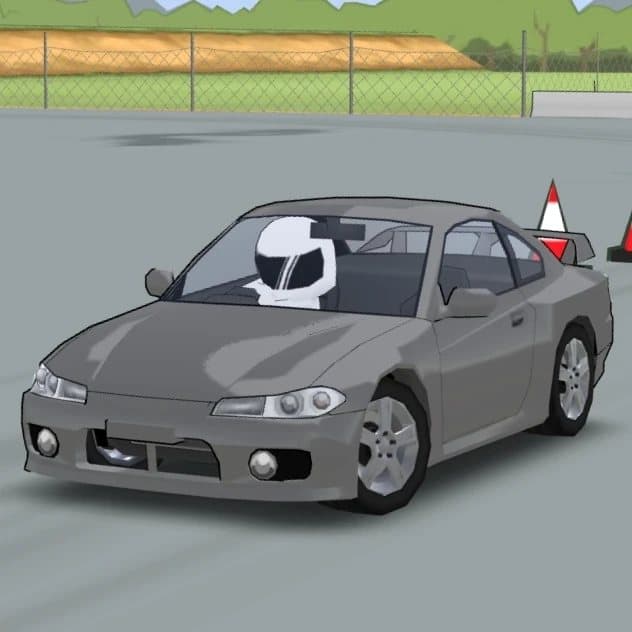
Once the car handles, make it look the part. Wide wheels with the right offset transform the stance, and body kits change the silhouette more than any paint job can. For wraps and graphics, the FR Legends livery code library has thousands of paste-ready designs, including dedicated collections for the RX-7 mod and the Supra mod. For German metal, BMW drift mods add some of the most famous drift cars to your garage.
Budget Builds vs Endgame Builds
There are two ways to play the build game. On a budget, you max out one car and learn it completely before touching anything else. With the mod APK and its unlimited money, you can skip the grind and build several cars at once, testing suspension setups side by side. If you miss the old progression, older versions of the mod keep the classic economy intact.
Build Plans for Every Budget
The table below gives three proven build plans, from a coin-friendly learner to a full endgame angle machine.
| Build | Car | Upgrades | Coin Cost | Difficulty |
|---|---|---|---|---|
| Budget learner | AE86 or MX-5 | Tires, suspension, LSD, intake and exhaust | 40k-60k | Easy |
| Mid-range all-rounder | Silvia S15 | Tires, full suspension, LSD, ECU, stage 1 turbo | 120k-160k | Medium |
| Endgame angle machine | Supra or JZX100 | Full suspension, locked diff, stage 3 turbo, gearing | 300k+ | Hard |
For each plan, upgrade in the order shown in the table below so the car stays drivable at every step.
| Stage | Upgrade | What it does |
|---|---|---|
| 1 | Tires | Raises the grip limit so the rear breaks away predictably |
| 2 | Suspension | Controls initiation and stability; sets the car's personality |
| 3 | LSD or locked diff | Stops one rear wheel spinning free so slides hold their line |
| 4 | Engine and turbo | Adds power only after grip exists |
Common Build Mistakes
Almost every bad build shares the same five mistakes.
- Buying the biggest engine first: a 600 hp car on stock tires does not drift, it spins. Grip always comes first.
- Upgrading every part one level at a time: spread upgrades leave you with a car that is bad at everything. Max out one part before starting the next.
- Ignoring the diff: an open diff kills sustained drifts at any power level.
- Copying settings without testing: every chassis reacts differently, so tune in small steps and drive after each change.
- Skipping the learner car: jumping into a heavy, powerful machine teaches bad habits that take months to unlearn.
FAQ
Which car should I buy first in FR Legends?
The AE86 Trueno or the MX-5 Miata. Both are cheap and light, and both teach throttle control and weight transfer before you need big power.
Should I buy the engine before the suspension?
No. Tires and suspension come first, then the diff, and the engine last, because power amplifies whatever the chassis already does.
What is the single best first upgrade?
Better tires. They raise the grip limit and make the rear break away predictably, which instantly improves every drift you attempt.
How many coins does a full build cost?
A learner build costs roughly 40k to 60k coins, a mid-range build around 120k to 160k, and a full endgame build 300k or more. The unlimited money mod removes the grind if you want to skip it.
Is the mod required to build a good drift car?
No. The build order in this guide works in the original game too; the mod just lets you build multiple setups faster and skip the coin grind.
Put It All Together
Building the perfect drift car is a process, not a purchase: choose the right chassis, sort the tires and suspension, add the diff, then bring the power. Then the real work continues on the track, and our how to drift in FR Legends guide covers the techniques that make a good car feel great. To browse every chassis, check the full FR Legends cars list, and for more builds and updates, visit the FR Legends Mod Apk blog or return to our home page.